
Top Cisco Network Switch Models Explained (Comparison & Use Cases)
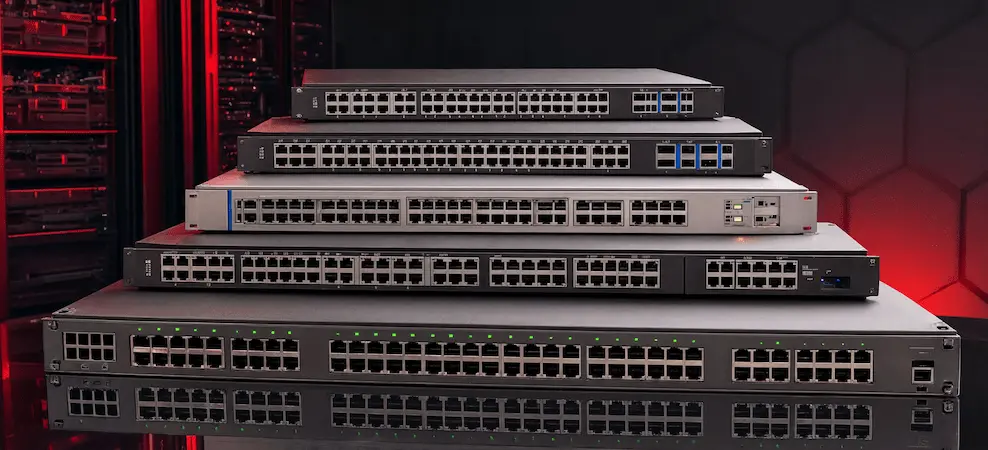
Explore Cisco network switch models, features, and use cases. Compare Catalyst, Nexus, and Meraki options.
Cisco is one of the most trusted names in networking, widely used by businesses, enterprises, and data centers around the world. Its network switches are known for delivering consistent performance, advanced security, and long-term reliability. In modern IT environments, selecting the right Cisco switch plays a crucial role in maintaining network efficiency, scalability, and stability.
This guide explains the most important Cisco network switch models, their core features, and practical use cases. Understanding these differences helps organizations choose the right solution based on their requirements, whether for small office setups or complex enterprise infrastructures.
Navigate to Cisco networking solutions to explore enterprise-grade switch options suited for your environment.
Why Cisco Network Switches Are Widely Used
Cisco switches have become an industry standard because of their strong focus on performance, innovation, and security. Organizations rely on Cisco products because they are built to operate continuously in demanding environments where reliability is critical.
Cisco integrates advanced networking technologies such as automation, software-defined networking, and intelligent traffic management into its switches. These features allow businesses to scale their infrastructure while maintaining control over network performance and security. Additionally, Cisco solutions are designed to integrate seamlessly with cloud platforms and hybrid environments, making them future-ready.
Cisco Network Switch Families Overview
Cisco offers multiple switch series tailored to different business needs. Each series is designed with specific use cases in mind, making it important to choose based on the scale and complexity of your network.
The main categories include Catalyst switches for enterprise networks, Nexus switches for data centers, Meraki switches for cloud-managed environments, and smaller business-focused switches for simpler deployments. Each series varies in terms of performance, management features, and scalability.
Cisco Catalyst 9000 Series
The Cisco Catalyst 9000 series is a flagship enterprise solution designed for advanced networking environments. These switches support both Layer 2 and Layer 3 operations and offer extensive control over traffic management and security.
The Catalyst 9000 series is designed for intent-based networking, allowing automated network configuration and optimization. This makes it ideal for large-scale organizations that require high levels of performance, visibility, and control across their infrastructure. These switches are commonly deployed in enterprise campuses, corporate headquarters, and large institutional networks.
Cisco Nexus 9000 Series
The Cisco Nexus 9000 series is built specifically for data center and cloud-based environments. These switches focus on delivering high-speed performance with minimal latency, which is critical in modern data processing environments.
With support for high-bandwidth connections ranging from 10Gb to 100Gb and beyond, Nexus switches are ideal for handling large volumes of data. They also include advanced programmability and automation features, allowing organizations to integrate their network infrastructure with software-based management systems.
These switches are typically used in large data centers, cloud service platforms, and environments that require high-performance computing and real-time data processing.
Cisco Catalyst 3000 Series
The Catalyst 3000 series provides a balance between performance and cost, making it a suitable choice for medium-sized organizations. These switches offer advanced networking features, including Layer 3 capabilities, power over Ethernet support, and scalable configurations.
Businesses often deploy the Catalyst 3000 series in branch offices, educational institutions, and growing enterprise environments. These switches provide enough flexibility and power to support expanding networks while remaining cost-effective.
Cisco Catalyst 1000 Series
The Catalyst 1000 series is designed for simplicity and ease of deployment. These switches are ideal for small businesses or networks with basic requirements.
They offer reliable Gigabit connectivity and are designed to be energy efficient and easy to manage. These switches do not require complex configuration, making them a practical choice for environments with limited IT resources.
Cisco Meraki Switches
Cisco Meraki switches are cloud-managed networking solutions that simplify network management through a centralized dashboard. These switches allow administrators to configure, monitor, and troubleshoot networks remotely.
Meraki switches are particularly beneficial for businesses that operate across multiple locations or lack in-house IT teams. Their cloud-based architecture enables complete visibility and control without requiring physical access to devices.
Cisco Network Switch Comparison
Different Cisco switch series serve different purposes. Enterprise organizations typically rely on Catalyst 9000 switches for advanced control and scalability, while data centers use Nexus switches for high-speed performance. Smaller businesses benefit from Catalyst 1000 or 3000 series, while cloud-based environments favor Meraki solutions for ease of management.
Understanding these distinctions allows organizations to align their infrastructure with operational requirements, ensuring efficiency and scalability.
Real-World Use Cases
Cisco switches are deployed across a wide range of industries, each with unique networking requirements. Enterprise campuses require centralized control and consistent performance across multiple departments, making Catalyst switches a suitable choice.
Data centers demand high-speed data processing and minimal latency, which is why Nexus switches are used extensively. Small and medium-sized businesses need cost-effective solutions that are easy to deploy, making Catalyst 1000 and 3000 models ideal.
Cloud-focused organizations and distributed businesses prefer Meraki switches for their remote management capabilities and simplified configuration process.
How to Choose the Right Cisco Switch
Selecting the right Cisco switch depends on several key factors, including network size, performance requirements, and management preferences. Smaller environments typically require fewer ports and simpler configurations, while larger enterprises need scalable solutions with advanced monitoring and control.
Performance requirements also play a critical role in decision-making. Basic networks may operate efficiently with Gigabit speeds, whereas data-intensive applications require higher bandwidth. Additionally, organizations must consider whether they need on-site management or cloud-based control.
Budget considerations should also be evaluated alongside long-term scalability to ensure the chosen solution supports future growth.
Security Capabilities
Cisco switches are designed with strong security features to protect networks from potential threats. These include virtual network segmentation, role-based access controls, and encrypted communication protocols.
In enterprise environments, these security features are essential to prevent unauthorized access and ensure compliance with industry standards. Cisco’s integration of security within the network layer provides an additional level of protection that many organizations rely on.
Benefits of Using Cisco Network Switches
Cisco switches offer several long-term advantages for organizations. They provide reliable performance, reducing downtime and ensuring consistent connectivity. Their scalability allows businesses to expand their networks without replacing existing infrastructure.
Additionally, Cisco switches support centralized management and advanced monitoring, enabling efficient network operation. Their compatibility with modern technologies ensures that organizations remain prepared for future networking demands.
Why Buy Cisco Network Switches from ITD Bay
ITD Bay provides a wide selection of Cisco network switches tailored to enterprise, business, and industrial needs. The platform offers genuine products, competitive pricing, and fast delivery across the United States.
Organizations benefit from expert support, helping them select the right networking equipment based on their specific requirements. Whether upgrading existing infrastructure or building a new network, ITD Bay delivers reliable solutions designed for performance and scalability.
Frequently Asked Questions
What is the best Cisco network switch for enterprise use?
The Catalyst 9000 and Nexus 9000 series are considered top choices for enterprise environments due to their scalability, performance, and advanced features.
What is the difference between Catalyst and Nexus switches?
Catalyst switches are designed for enterprise campus networks, while Nexus switches focus on data center performance and high-speed networking.
Are Cisco switches suitable for small businesses?
Cisco offers models such as Catalyst 1000 and 3000 that are ideal for small and mid-sized business environments.
What makes Cisco Meraki different?
Cisco Meraki switches use cloud-based management, allowing remote configuration and monitoring through a centralized dashboard.
Which Cisco switches support high-speed networking?
Nexus 9000 and Catalyst 9000 series switches support high-speed connectivity ranging from 10Gb to 100Gb.
Cisco Network Switch Models Comparison
| Feature | Cisco Catalyst 9000 | Cisco Nexus 9000 | Cisco Catalyst 3000 | Cisco Catalyst 1000 | Cisco Meraki |
| Best For | Enterprise Networks | Data Centers | SMBs | Small Offices | Cloud-Managed Networks |
| Speed | 10Gb–100Gb+ | 10Gb–100Gb+ | 1Gb–10Gb | 1Gb | 1Gb–10Gb |
| Management | On-Premises | On-Premises | On-Premises | On-Premises | Cloud-Based |
| Layer 3 Support | Advanced | Advanced | Yes | Limited | Select Models |
| Security Features | Advanced Security & Automation | Data Center Security | Standard Enterprise Security | Basic Security | Cloud Security Management |
| Scalability | Very High | Very High | Medium | Low | High |
| Deployment Environment | Large Enterprises | Data Centers & Cloud | Branch Offices & SMBs | Small Businesses | Distributed Networks |
| Key Advantage | Automation & Security | High Performance & Low Latency | Cost-Effective Layer 3 Switching | Simplicity & Efficiency | Centralized Cloud Management |
| Typical Users | Enterprises, Government, Education | Data Centers, Service Providers | SMBs, Branch Offices | Small Offices | Multi-Site Organizations |
Understanding these differences makes it easier to choose the right Cisco switch based on your business size, performance needs, and scalability requirements.
Conclusion
Cisco provides a comprehensive range of network switches designed to meet the demands of modern networking. From small business environments to large-scale enterprise and data center deployments, Cisco offers solutions that address performance, security, and scalability challenges.
Understanding the differences between Cisco switch models allows organizations to make informed decisions, ensuring reliable and efficient network operations. Investing in the right switch not only improves current performance but also prepares your infrastructure for future growth and technological advancements.
RECENT BLOG POSTS
CATEGORIES
- Laptop Comparisons
- Cisco Switches
- Laptop Comparisons
- Cisco Switches
Contact Us
Send us a Message
Fill out the form below to get started, and a member of our team will contact you as soon as possible